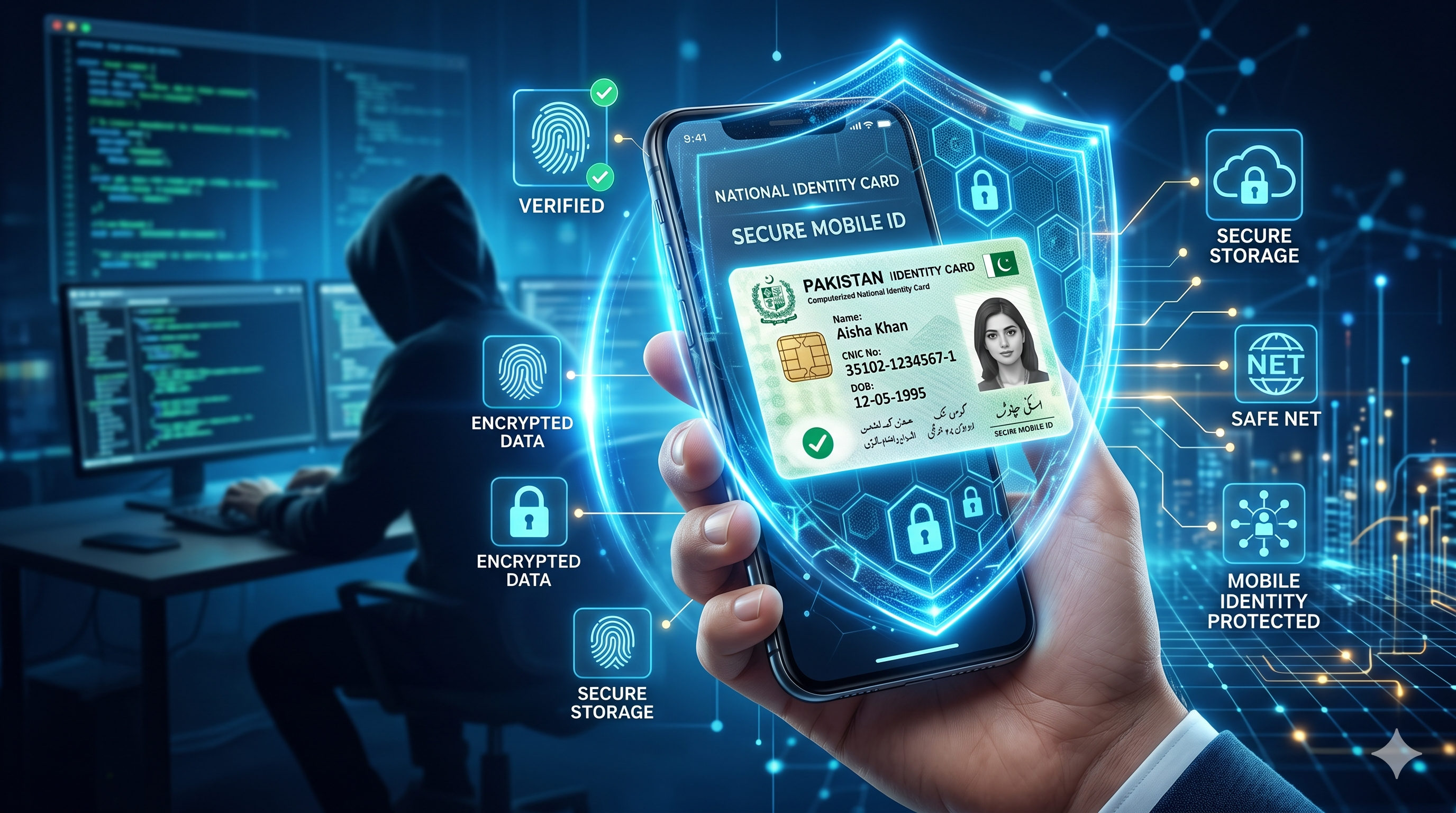
In today's digital world, your CNIC and mobile number are more than just identification details—they are keys to accessing banking services, mobile wallets, government portals, social media accounts, and other online services. Unfortunately, cybercriminals and fraudsters often target this information to commit identity theft, financial fraud, and unauthorized account access.
Protecting your CNIC and mobile number is essential for maintaining your privacy and security. This guide explains the risks associated with sharing personal information and provides practical tips to keep your data safe.
Why Your CNIC and Mobile Number Are Valuable
Many online and offline services use your CNIC and mobile number for identity verification. These details are commonly linked to:
- Mobile SIM registration
- Banking and financial accounts
- Digital payment services
- Government records
- Social media accounts
- Online shopping platforms
If these details fall into the wrong hands, fraudsters may attempt to impersonate you, access your accounts, or register unauthorized services using your identity.
Common Ways Personal Information Is Misused
1. Identity Theft
Cybercriminals may use stolen CNIC information to create fake accounts, apply for services, or conduct fraudulent activities under someone else's name.
2. SIM Fraud
Fraudsters may attempt to register additional SIM cards using stolen identity information, potentially leading to misuse and legal complications.
3. Phishing Scams
Scammers often contact victims through phone calls, SMS messages, or emails while pretending to represent banks, government agencies, or telecom providers.
4. Account Takeovers
Many online platforms use mobile numbers for password recovery and verification. Unauthorized access to your number can compromise multiple accounts.
Tips to Protect Your CNIC and Mobile Number
Avoid Sharing Personal Information Publicly
Never post photos of your CNIC, SIM documents, or personal records on social media platforms. Even partially visible information can be exploited by cybercriminals.
Verify Before Sharing
Only provide your CNIC or mobile number to trusted organizations and official service providers. Always confirm the legitimacy of the request.
Be Careful with Unknown Calls and Messages
Fraudsters often claim to be from banks, telecom companies, or government departments. Do not share:
- CNIC numbers
- One-Time Passwords (OTPs)
- PIN codes
- Banking credentials
Legitimate organizations rarely request sensitive information through unsolicited calls or messages.
Use Strong Account Security
Protect accounts linked to your mobile number by:
- Creating strong passwords
- Enabling two-factor authentication (2FA)
- Using authentication apps when available
- Regularly updating passwords
Monitor Your Mobile Connections
Regularly check the SIM cards registered under your CNIC through official telecom verification channels. This helps identify unauthorized registrations.
Secure Your Mobile Device
A secure smartphone adds another layer of protection. Always:
- Use a screen lock
- Enable biometric authentication
- Keep software updated
- Install apps only from trusted sources
What to Do If Your Information Is Compromised
If you suspect misuse of your CNIC or mobile number:
Contact Your Mobile Network Provider
Report suspicious SIM registrations or unauthorized account activity immediately.
Notify Your Bank
If financial accounts may be affected, inform your bank and monitor transactions closely.
Change Important Passwords
Update passwords for:
- Email accounts
- Banking apps
- Social media platforms
- Digital wallets
Report Fraudulent Activity
Document suspicious incidents and report them to the relevant authorities and service providers.
Warning Signs of Possible Identity Misuse
Watch for these red flags:
- Unknown SIM cards linked to your identity
- Unexpected OTP messages
- Unrecognized account login alerts
- Unauthorized financial transactions
- Calls regarding services you never requested
Early detection can help prevent significant financial and personal damage.
Best Practices for Long-Term Online Safety
Develop these habits to stay secure:
- Never share OTPs with anyone.
- Avoid clicking suspicious links.
- Verify official websites before entering personal information.
- Review account activity regularly.
- Keep personal documents secure.
- Educate family members about online scams.
Conclusion
Your CNIC and mobile number are valuable pieces of personal information that require careful protection. By staying alert, practicing good digital security habits, and verifying requests before sharing sensitive details, you can significantly reduce the risk of fraud and identity theft.
Online safety starts with awareness. Protect your information today to avoid security problems tomorrow.